
The useful part, up front
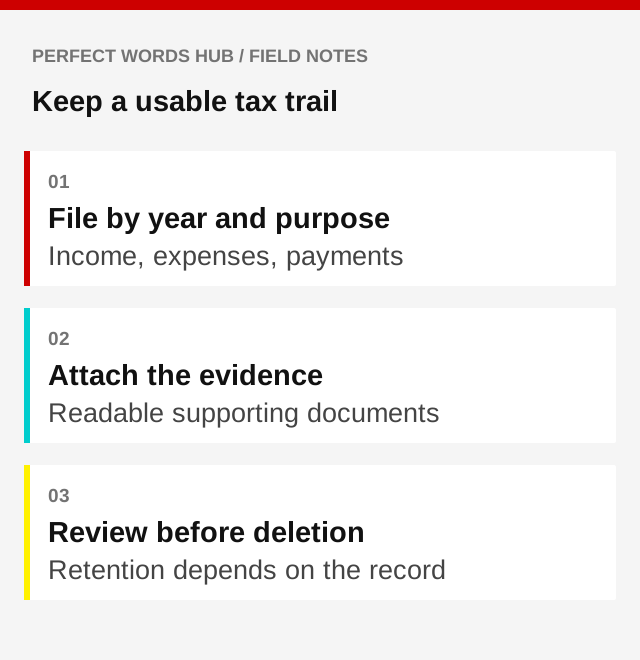
- Group documents by tax year and purpose.
- Keep evidence behind a number, not only the number itself.
- Retention periods depend on the record and circumstances.
Make the destination obvious
A document is easier to save when you already know where it belongs. Start with a folder for the relevant tax year and a few simple divisions: income, potential deductions or credits, payments, and filed returns. Add a separate list of questions you have not resolved.
These are organizational labels, not claims that every document supports a tax benefit. A receipt can be worth retaining while you ask a question without automatically being deductible.
Name files for the future version of you
Use a consistent pattern such as date, issuer, and document type. “2026-09-30-bank-interest-statement” will mean more six months later than “download-final-2.” Keep corrected documents distinguishable from earlier versions, and avoid overwriting the only copy without understanding the change.
For paper records, scan or photograph all relevant pages legibly. Check that the amount, date, issuer, and explanatory details are readable. A cropped corner or blurry attachment can remove the very fact you need to establish.
Keep the context with the evidence
A line in a spreadsheet is a summary. The underlying document explains where it came from. Link the summary to the statement, receipt, payment confirmation, or other supporting record, and add factual notes while the circumstances are still fresh.
If you have business activity, keep its records identifiable and do not assume a personal bank transaction description proves a business purpose. Different kinds of activity can have different recordkeeping requirements. Ask a qualified professional which documents your situation requires.
Do not turn a rule of thumb into a deletion rule
The IRS describes different retention periods depending on the event, return, and circumstances. Some property records remain relevant well beyond the year of purchase. Employment-tax records and certain unusual filing situations have their own requirements.
Before deleting anything, consider state requirements and non-tax reasons to retain it, such as insurance or ownership evidence. “Three years for everything” is too broad. Use the current IRS retention guidance and advice appropriate to the record.
Protect the folder as well as the deadline
Tax records can include addresses, account details, and identifying numbers. Limit access, protect the account or device holding them, and keep a recoverable backup. Avoid sending sensitive attachments through a channel merely because a message asks you to.
A short monthly review can be enough to move new documents into place, record a missing item, and keep questions from accumulating. Before filing, reconcile the folder against the documents you expected to receive rather than assuming silence means nothing is missing.
The payoff is a cleaner handoff to tax software or a preparer. Organization reduces searching; it does not replace a correct interpretation of the tax rules.
Sources & further reading
- IRS: Recordkeeping (opens in a new tab)
- IRS: How long to keep records (opens in a new tab)
- IRS: Keeping records for business activity (opens in a new tab)
Source links checked September 30, 2026. Requirements and guidance may change.
For general education in a U.S. context. This is not financial, insurance, legal, tax, or medical advice. Examples are illustrative. Check current rules and relevant policy documents, and seek qualified help for your circumstances.
Do these tax terms add up?
Put the ideas into practice with 15 questions and explanations.
Take the quiz