
The useful part, up front
- Describe conditions precisely and keep the original photos.
- Follow the lease’s reporting method and check local requirements.
- Documentation is useful evidence, not a guarantee of a deposit outcome.
Give the empty rooms a few minutes
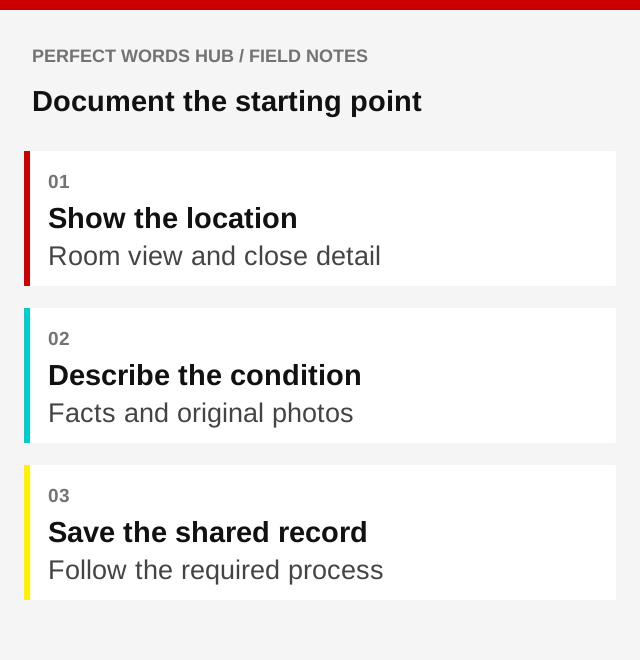
Boxes quickly cover the corners of a new apartment. Before that happens, walk through the rooms and note visible damage, missing items, and anything that does not appear to work. Think of the exercise as creating a shared starting point, not building an argument.
A broad photograph establishes location. A closer one shows the detail. “Chip on the kitchen counter beside the sink” is more useful than “kitchen damaged.” Keep the original files and a copy of the date and description associated with each observation.
Keep condition and safety separate
A scuffed wall belongs in the condition record. A suspected gas leak or immediate electrical hazard needs urgent attention through the appropriate emergency or utility channel. Do not wait for a routine email response when there is a danger, and do not test unfamiliar equipment in an unsafe way.
For ordinary items, use the landlord’s checklist if one exists and retain your own copy. Note areas you could not inspect. A blank line can otherwise be mistaken for a completed check.
Send a factual record
Use the reporting channel required by the lease and check whether local law specifies a method or deadline. Save a copy outside a resident portal in case access changes later. If you speak in person, a neutral written follow-up can record what you discussed.
An illustrative note: “At move-in on September 30, I observed a crack in the bathroom tile beside the door. Photos 04 and 05 show the location and a close view. Please confirm receipt of this condition record and advise whether a repair is planned.”
This sample is organizational wording, not a legally sufficient notice for every jurisdiction. The delivery requirements for a formal notice may differ from those for an informal condition update.
Save the documents that explain the tenancy
Keep the signed lease, any addenda, payment receipts, move-in checklist, and correspondence together. Label a payment by its actual purpose; a security deposit, application fee, and prepaid rent may be treated differently under applicable rules.
Do not assume that another city’s deposit deadline or inspection procedure applies to your home. Tenant protections and obligations depend heavily on state and local law, the rental agreement, and sometimes the kind of housing involved.
Use the same method at move-out
When leaving, make a new record after clearing your belongings. Follow the required notice and key-return process, document the return, and retain the relevant communications. Comparing two dated records is easier than debating memories of a room.
If a disagreement develops, look for your state or local tenant-rights resources or legal aid. Photos can support an account of events, but they do not determine legal responsibility or guarantee that a deposit will be returned.
Sources & further reading
- USAGov: Tenant-rights help by state (opens in a new tab)
- CFPB: Tenant rights and local law (opens in a new tab)
Source links checked September 30, 2026. Requirements and guidance may change.
For general education in a U.S. context. This is not financial, insurance, legal, tax, or medical advice. Examples are illustrative. Check current rules and relevant policy documents, and seek qualified help for your circumstances.
Would your rental paperwork help you?
Put the ideas into practice with 11 questions and explanations.
Take the quiz