
The useful part, up front
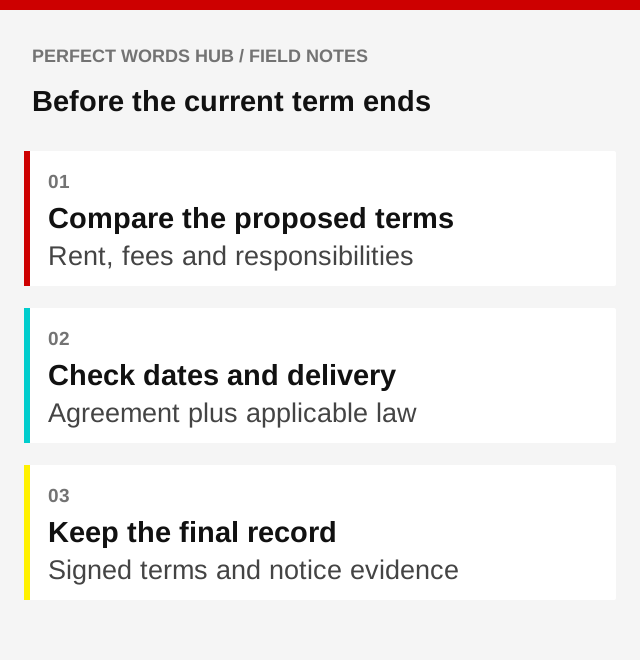
- Compare the entire renewal offer with the signed agreement.
- Check local law and the required notice process.
- Save the final signed version and proof of any notice.
Start with the actual end date
Find the term dates in the signed lease and read what it says about renewal, expiration, and any transition to another tenancy arrangement. Do not assume that staying silent renews the lease, ends it, or creates a month-to-month tenancy everywhere.
State and local rules, housing type, and the agreement can affect the answer. Use your location’s official tenant resource or legal aid to understand the applicable process. This national guide deliberately does not provide a universal notice period.
Compare more than the rent line
Place the proposed agreement beside the current one. Note changes to rent, recurring fees, utilities, deposits, occupants, parking, pets, maintenance reporting, and other terms relevant to you. An unchanged headline rent can coexist with a changed overall cost.
A simple table can contain the old term, proposed term, effective date, and question to resolve. Keep a copy of the actual offer rather than relying on a property portal’s summary or an informal conversation.
Put decisions and notices on a calendar
Identify any response date in the offer, the notice requirement in the lease, and any applicable legal deadline. These may be different dates serving different purposes. Ask for clarification if the paperwork conflicts; guessing which one matters can create avoidable problems.
Also check how a notice must be delivered and to whom. A casual text to a maintenance worker may not satisfy a formal notice requirement. Preserve the message or document and available delivery evidence through the required channel.
Resolve questions before signing
If a term is unclear, describe the exact clause and ask a focused question. When an agreed change matters, request that it appear in the final written agreement. Do not assume a verbal promise automatically changes the document you sign.
For example, a tenant might ask whether a parking charge is included in the quoted total or billed separately. This is a request to understand the offer, not a statement that any particular fee is lawful. Local advice is needed to evaluate legality.
Keep a complete record of the decision
If you renew, save the signed version and all addenda, confirm dates, and update payment arrangements carefully. If you plan to leave, follow the applicable notice and move-out process and use the move-out record guide.
A landlord’s offer, a signed agreement, and proof of delivery are different records. Keep each clearly labeled. If you face threatened eviction, discrimination, or another serious dispute, seek timely local help rather than relying on a general renewal checklist.
Questions worth checking
Can I rely on a portal showing my old rent?
A portal display may not reflect the final proposed or signed agreement. Compare the actual documents and ask for clarification of inconsistent amounts. Save the response, but get local advice if you need to determine which obligation is enforceable.
What if I want time to decide?
Ask whether the offer’s response date can be extended and retain any written agreement. Do not assume that a request pauses a contractual or legal notice deadline. Keep those dates separate and verify which rules apply before relying on an extension.
Sources & further reading
- USAGov: State tenant-rights and legal-help resources (opens in a new tab)
- USAGov: Help with eviction issues (opens in a new tab)
- CFPB: Tenant protections and local law (opens in a new tab)
Source links checked September 30, 2026. Requirements and guidance may change.
For general education in a U.S. context. This is not financial, insurance, legal, tax, or medical advice. Examples are illustrative. Check current rules and relevant policy documents, and seek qualified help for your circumstances.
Would your rental paperwork help you?
Put the ideas into practice with 11 questions and explanations.
Take the quiz