
The useful part, up front
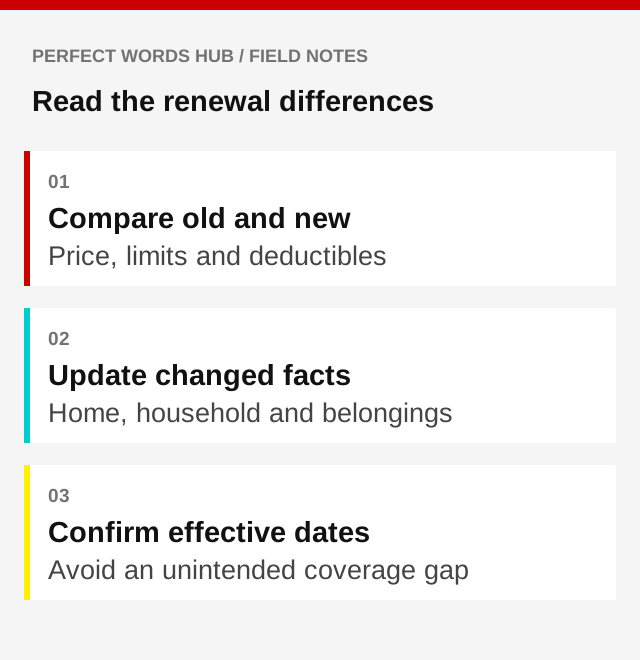
- Compare the expiring and renewal documents side by side.
- Update the facts the insurer uses about your household or property.
- Verify dates before replacing or canceling coverage.
Keep last year’s document open
A renewal is easiest to review when you can see the expiring declarations and the new version together. Confirm the insured names, address, policy period, listed coverages, and amounts. Read any change notices and endorsements rather than assuming the main summary contains every revision.
Make a small list of differences. Separate a price change from a coverage change; both can matter, but they require different questions. If you cannot locate the earlier policy, ask the insurer for a copy before relying on memory.
Find the change behind the new premium
Check whether a different deductible, limit, discount, or payment arrangement contributes to the new total. Compare the same period and payment basis. A monthly amount and an annual total are not directly comparable, especially if installment fees differ.
Ask the insurer to explain any unfamiliar line in writing. Do not assume that a higher premium buys broader protection or that a lower one preserves every prior feature. The documents and applicable rules determine what is offered.
Update facts that have changed
The NAIC recommends reviewing insurance as circumstances change. Think about moves, renovations, significant purchases, household changes, and how the insured property is used. The relevant questions differ by policy type.
For property coverage, revisit your inventory and ask about valuation assumptions or special item limits. Report facts accurately rather than guessing at an answer to get a preferred quote. A renewal review is also a chance to correct an address or contact detail before an urgent situation.
Compare alternatives on matched terms
If you obtain another quote, align the coverage period, limits, deductibles, and key exclusions before comparing prices. Keep unanswered questions visible. A blank box in your comparison is not evidence that two policies match.
Use the premium comparison guide to build that side-by-side view. Include the cost you could bear under a covered-loss scenario, while remembering that hypothetical arithmetic cannot predict an actual claim settlement.
Finish with confirmation, not an assumption
If you change coverage, confirm that the new policy is issued and the effective date is correct before taking steps that could leave a gap. Follow the insurer’s cancellation or renewal instructions and check any consequences that apply to your arrangement.
Retain the final documents and confirmation of your chosen action. Add a reminder before the next renewal and note any question that remains open. Your insurer, licensed professional, or state insurance department can help with policy-specific concerns.
Questions worth checking
What if I cannot understand a new endorsement?
Identify its name or reference number and ask the insurer to explain what it changes in the policy. Request the relevant wording and keep the response. Do not infer that an unfamiliar attachment is merely administrative because the main declarations page looks similar.
Should I compare monthly or annual prices?
Compare the same policy period and include applicable payment charges. For example, twelve hypothetical $55 installments total $660 before any additional fees. That is the number to compare with an annual quote, after confirming the coverage and terms match.
Sources & further reading
- NAIC: Annual insurance review (opens in a new tab)
- NAIC: Policy terms and coverage sections (opens in a new tab)
Source links checked September 30, 2026. Requirements and guidance may change.
For general education in a U.S. context. This is not financial, insurance, legal, tax, or medical advice. Examples are illustrative. Check current rules and relevant policy documents, and seek qualified help for your circumstances.
Can you read between the policy lines?
Put the ideas into practice with 12 questions and explanations.
Take the quiz