
The useful part, up front
- Record ordinary possessions as well as expensive ones.
- Keep identifying details and available receipts together.
- An inventory supports documentation; the policy still decides coverage.
Begin with the things you would forget
Most people can name their laptop and sofa from memory. Rebuilding a list of kitchen utensils, shoes, bedding, tools, and small appliances is harder. A home inventory is simply a record of what you own, supported by enough detail to identify it later.
Its first benefit is visibility. Walking through a room can reveal that your idea of “a few belongings” leaves out dozens of items. The record can support a conversation about personal-property limits and may help document a claim after a covered loss.
Use a repeatable room-by-room method
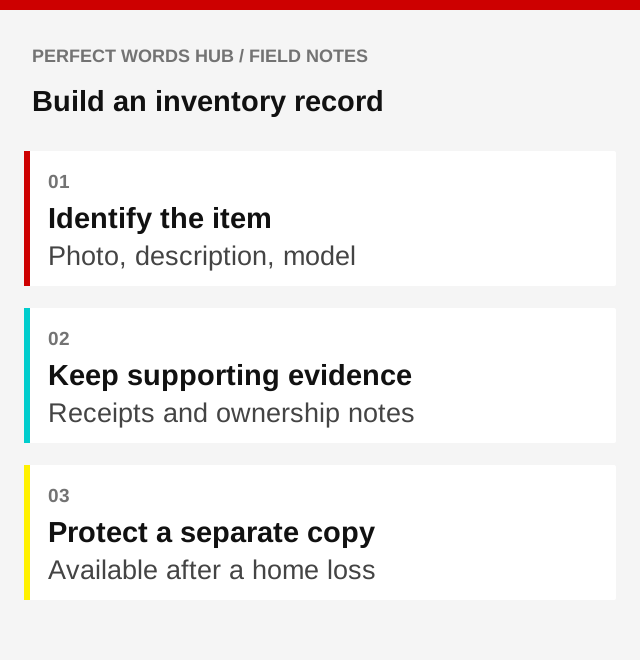
Choose one room rather than waiting for a free weekend. Take an overview photo, then photograph items and identifying labels where practical. Store receipts or order confirmations with the corresponding entry. Do not invent prices or purchase dates you cannot verify; mark estimates clearly.
- Name the item and its room or storage location.
- Add the brand, model, and serial number when available.
- Record the purchase date and cost if you have evidence.
- Attach photographs and any available proof of purchase.
A useful filename might be “living-room-speaker-model-date.” Consistency makes searching easier. You do not need a particular app for this method: a spreadsheet, document, or inventory tool can organize the same information.
Read the policy alongside the list
An inventory is not a promise that everything will be reimbursed. Covered causes of loss, exclusions, deductibles, valuation methods, and special limits still apply. Some categories of valuables may have limits below the policy’s overall personal-property amount.
Ask how the policy treats replacement cost and actual cash value. Depreciation can affect an actual-cash-value settlement. Replacement-cost policies can also have conditions about replacing items and submitting evidence. The headline limit alone does not describe the full claims process.
Give the record a separate home
A list saved only on the laptop it describes has an obvious weakness. Keep a protected copy somewhere that would remain accessible if the home and its devices were unavailable. Consider who can access it: detailed photos of valuable items and serial numbers deserve care.
Test that the backup can be opened, not just that a sync icon looks reassuring. Keep account recovery information accessible through a separate, secure route. Avoid leaving an unprotected inventory link publicly shareable.
Update it when life changes
Use an ordinary event as a reminder: moving, buying a major item, or reviewing the policy. Remove possessions you no longer own and keep newer evidence with the record. A small update now is easier than reconciling several years of changes after a loss.
For a claim, follow the insurer’s reporting and documentation instructions. Ask before discarding damaged items where it is safe to retain them. Immediate safety comes first, and the requirements of a particular policy deserve a direct answer from the insurer.
Sources & further reading
- NAIC: Understanding your policy and home inventory (opens in a new tab)
- NAIC: An annual insurance review (opens in a new tab)
Source links checked September 30, 2026. Requirements and guidance may change.
For general education in a U.S. context. This is not financial, insurance, legal, tax, or medical advice. Examples are illustrative. Check current rules and relevant policy documents, and seek qualified help for your circumstances.
Can you read between the policy lines?
Put the ideas into practice with 12 questions and explanations.
Take the quiz