
The useful part, up front
- Read the denial reason and the process stated in the notice.
- A corrected claim and an appeal are different paths.
- Urgent care situations may require an expedited process.
Name the decision you are challenging
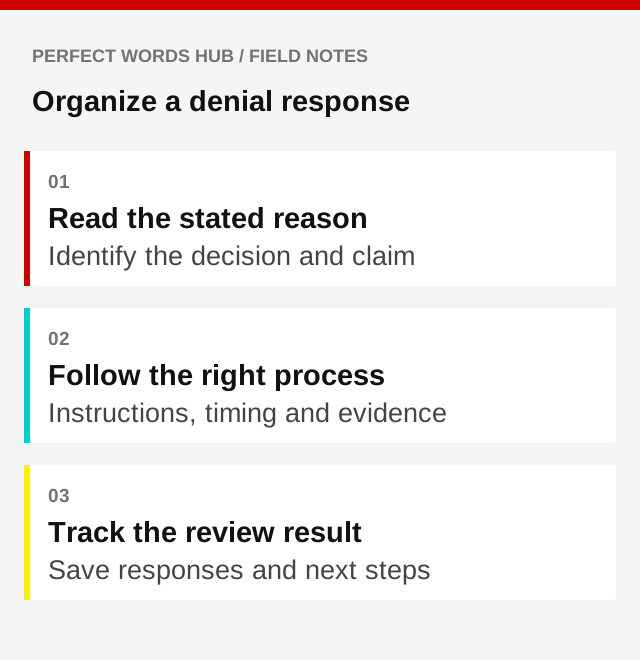
Save the full notice and identify the claim, service, date, and stated reason. A refusal to pay a claim, a prior-authorization decision, and a Marketplace eligibility decision are not interchangeable. Different processes may apply.
Highlight the notice’s explanation and appeal instructions without discarding the original. If the language is unclear, ask the plan to explain the reason and identify the provision it used. Record the representative’s name or reference number and the date.
Check whether information is missing or disputed
Ask whether the issue concerns missing documentation, a billing detail, network status, or a coverage decision. A provider may need to correct a claim or submit additional material. That does not necessarily preserve an appeal deadline, so check the instructions separately.
Keep the provider involved where clinical information is needed. Do not invent medical reasoning yourself or assume that changing a code is appropriate. The correct route depends on the facts and the plan’s rules.
Build the packet around the stated reason
A useful packet links each point you raise to supporting material: the denial, relevant plan language, claim records, and documents from the treating professional where appropriate. Include required identifiers through the approved secure channel.
Use a short cover note stating which decision you want reviewed and why. List attachments so the reviewer can find them. Retain a complete copy of what was submitted and evidence of submission. More pages are not automatically stronger evidence.
Track the available review process
HealthCare.gov explains internal appeals and independent external review for applicable health-plan decisions. Eligibility, sequence, deadlines, and responsible agencies depend on the plan and issue. Follow the notice and current official guidance rather than applying a deadline from a different plan.
If waiting could seriously jeopardize health, ask the plan and treating clinician about the applicable expedited process. This article is not a reason to delay emergency care. Administrative questions and immediate care needs must be handled on their own timelines.
Read the response against the original question
When a response arrives, compare it with the denial reason and the points you submitted. Save the result and identify any further review options described. Ask whether the provider balance changes and request updated records if the claim is reprocessed.
Keep related bills visible while the dispute is open and ask about their status. An appeal does not automatically settle every billing issue or guarantee coverage. For assistance, use the regulator, benefits administrator, or consumer-assistance resource appropriate to your particular coverage.
Questions worth checking
Does calling customer service replace a written appeal?
Not necessarily. A conversation may clarify the decision without completing the required appeal process. Follow the notice’s instructions, ask what counts as a submission, and retain confirmation. Record a call reference while keeping the deadline in view.
Is sending more paperwork always better?
Relevant evidence is more useful than volume alone. Organize documents around the stated denial reason and identify what each attachment supports. Clinical questions should involve the treating professional; do not manufacture a medical explanation merely to make a packet longer.
Sources & further reading
- HealthCare.gov: Internal appeal and external review (opens in a new tab)
- CMS: Federal external-review process (opens in a new tab)
- HealthCare.gov: Internal appeals (opens in a new tab)
Source links checked September 30, 2026. Requirements and guidance may change.
For general education in a U.S. context. This is not financial, insurance, legal, tax, or medical advice. Examples are illustrative. Check current rules and relevant policy documents, and seek qualified help for your circumstances.
Could you spot the cost that’s missing?
Put the ideas into practice with 13 questions and explanations.
Take the quiz